For a limited time, get “A New Past: Book One” for $2.99 in the Amazon Kindle Store.
Follow me on Amazon to get information about book releases.
Erotic Science Fiction and the craft of writing

For a limited time, get “A New Past: Book One” for $2.99 in the Amazon Kindle Store.
Follow me on Amazon to get information about book releases.
In the world of erotic science fiction, technology’s integration into our lives often leads to profound changes in the way humans interact with each other. These advanced innovations challenge traditional notions of love, desire, consent, and power dynamics while also offering unique opportunities for enhancing and deepening human connections. Let’s explore how human interaction shifts with the advent of advanced technology as presented in various erotic science fiction novels and discuss how these stories can help inform our understanding of traditional relationships.
1. Long-Distance Relationships: With holographic lovers and instant communication, the concept of long-distance relationships takes on new meaning. In “Starship Wife,” Claire North’s protagonist maintains a physical relationship with her husband through advanced technology, blurring the lines between real and virtual encounters. This innovation not only keeps partners connected but also allows for more frequent and intimate conversations, helping strengthen their bond.
2. Intimacy Beyond Boundaries: Technology allows characters to experience new levels of intimacy and connection in erotic science fiction novels like “The Virtual Lover” by Isabel Allende, where a protagonist uses a virtual reality device to engage in passionate experiences with partners from different times and places. This blurring of physical and emotional boundaries not only expands the possibilities of sexual exploration but also fosters a deeper understanding of one’s own desires and needs within a relationship.
3. Consent and Power Dynamics: The integration of technology into sexual encounters raises important questions about consent, power dynamics, and agency. In Ann Aguirre’s “Jagged Edge,” the telepathic alien race experiences each other’s emotions and sensations during sex, creating an intense connection that challenges traditional power dynamics. This dynamic offers a valuable lesson for traditional relationships by emphasizing the importance of mutual consent, understanding, and emotional vulnerability.
4. Sexual Liberation: Advanced technology can provide individuals with opportunities to explore their desires and sexuality in new ways. In Kiera Cass’ “The Siren,” a protagonist discovers an ancient forbidden sex toy that grants her control over her pleasure, offering a powerful message about sexual liberation and self-exploration. This idea can translate into traditional relationships by encouraging open communication about sexual needs, boundaries, and desires.
5. The Ethics of Artificial Intelligence: As technology advances, the question of whether artificial intelligence can experience human emotions and desire becomes increasingly relevant. In Richard Powers’ “Galatea 2.2,” the relationship between a professor and an artificial intelligence raises questions about love, consciousness, and what it truly means to be alive. While this may not directly apply to traditional relationships, these stories encourage us to consider the ethical implications of technology in our intimate lives and reflect on the importance of authentic connections based on mutual understanding and emotional intelligence.
By exploring these themes in erotic science fiction novels and acknowledging their relevance to traditional relationships, we gain valuable insights into how advanced technology can reshape and enhance human interactions, ultimately fostering deeper connections between partners. These stories challenge us to embrace new ways of experiencing intimacy while also reminding us of the importance of consent, communication, and emotional vulnerability in any romantic relationship.
Follow me on Amazon, GoodReads, or Facebook to get information about upcoming book releases.

Erotic Science Fiction (ESF) represents a unique and captivating niche within the world of literature, and for me, choosing to explore this genre as a writer is a decision driven by both personal passion and a fascination with human nature. Here are some thoughts on my motivations for writing in ESF, and why I believe it’s an essential and enriching literary landscape.
My love affair with Science Fiction and Fantasy began at a young age, as I was introduced to the genre through the works of visionary authors like Robert A. Heinlein. His thought-provoking stories ignited my imagination, fueling my curiosity and appetite for new worlds and ideas. Growing up on a farm forty minutes away from the nearest city, books became my escape, providing me with endless adventures and intellectual stimulation.
It’s no secret that Science Fiction and Fantasy greats from the Golden Age of Science Fiction, such as Heinlein, Frank Herbert, and others, tackled themes and ideas that some considered to be “progressive” or even “forbidden.” These authors boldly explored concepts like cults, religion, plural marriage, gender swapping, and underage relationships—ideas that challenged societal norms and sparked important discussions. Exposure to these diverse perspectives broadened my horizons, making me a better person and a more thoughtful reader.
Fantasy captivated my imagination with its vivid world-building and intriguing characters, while Science Fiction fed my insatiable curiosity for new ideas and technological innovation. As I considered embarking on a writing career, it was only natural that I would choose to write in the genres that had shaped my intellectual growth.
But why add an erotic element to my stories? Human nature is intriguing, and the allure of the “forbidden” has long fascinated us. Sex is a fundamental aspect of being human—a natural activity that connects us all. Pretending that our characters do not experience physical desires or emotions felt dishonest and unsatisfying from a storytelling perspective. Moreover, I believe that exploring these themes in my writing provides depth and complexity to my characters, making them more relatable and engaging for readers.
Men are visual creatures who may be drawn to attractive individuals, regardless of their orientation. Some will seek physical relationships, while others may not. Regardless, each character brings unique perspectives and challenges based on their desires and experiences. I am committed to letting my characters live their lives, navigate their emotions, build relationships, and drive compelling narratives—even if those stories veer into taboo territory.
Some readers may be offended by my choice to write Erotic Science Fiction, but I remain undeterred. Life is too short to let others’ opinions prevent us from pursuing our passions or enjoying the written word. I strive to create immersive and thought-provoking stories, inviting readers to explore new worlds and ideas with me. Remember: it’s fiction. Read and enjoy!
Follow me on Amazon, GoodReads, or Facebook to get information about upcoming book releases.


Subscribe to get access to the rest of this post and other subscriber-only content.
Subscribe to get access to the rest of this post and other subscriber-only content.
Subscribe to get access to the rest of this post and other subscriber-only content.
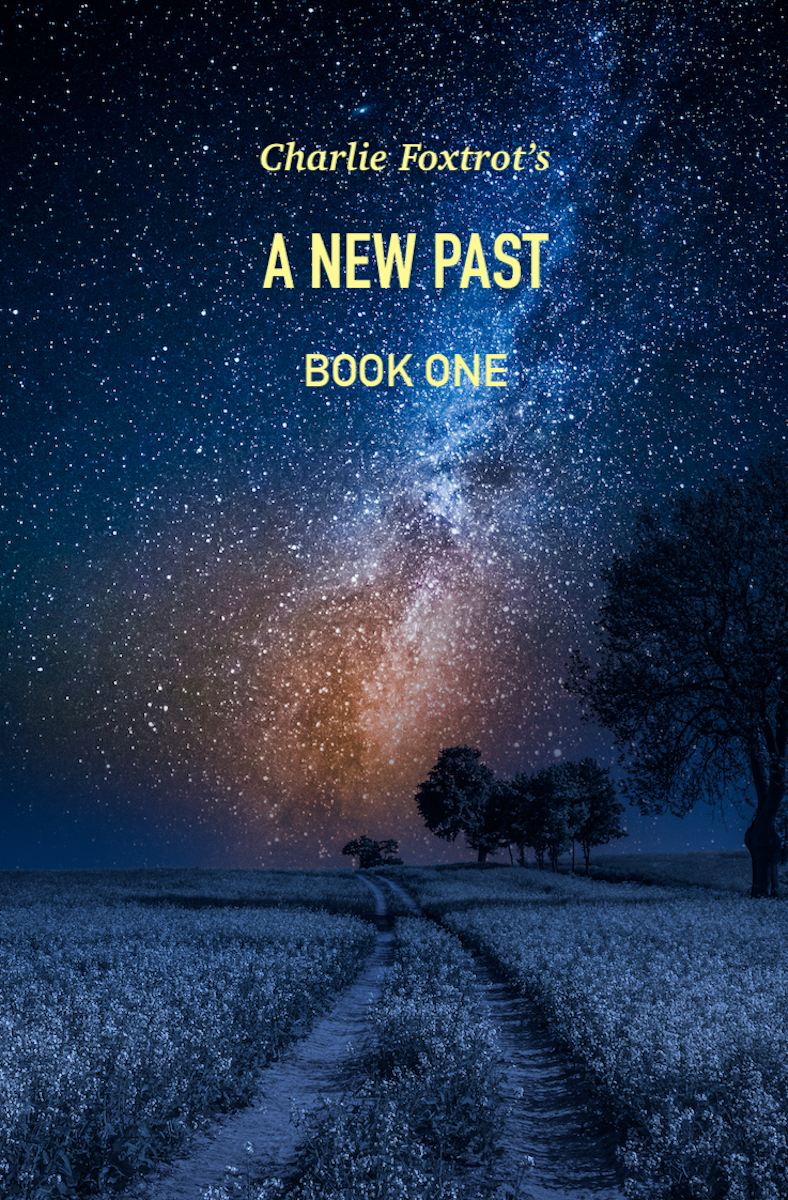
Amazon recommends providing books in multiple formats to increase sales. I liked the idea of having a physical version of my books, so I made a paperback version of A New Past: Book One as an experiment to see how a physical copy of the book would do. I uploaded the final manuscript on Dec 26th and tabled working on print editions for the other two books in the series.
I’m happy to announce that the first print copy sold this week to a reader in Germany where I did not have any Kindle sales. I have book two mostly formatted for a print version, so I guess I’ll go ahead and get book three formatted as well to see if Amazon’s advice pays off.
Follow me on Amazon to get information about book releases.
Subscribe to get access to the rest of this post and other subscriber-only content.
Subscribe to get access to the rest of this post and other subscriber-only content.
I like reading fiction as well as writing. I’ve spent a lot of time reading amateur fiction, fan fiction, and other serial formats over the years, since my favorite authors can’t write as fast as I read. Taking years to get a story complete has driven me away from many “main-stream” authors. Twenty-plus years to bring a story home may be good for the author, but it is frustrating as a reader. Hence, I’ve migrated much of my casual reading to the virtual “slush pile” of writing easily discoverable on the internet.
One of my disappointing observations is that many casual authors don’t understand that Plot is a verb. Plot implies action that moves the story forward. I sometimes find myself slipping into this trap, focusing on neat ideas or details that don’t actually move the story forward. It’s easy for us to rationalize this as authors, but my experience as a reader is that once the plot stagnates, I’m not that interested in continuing to read.
In addition to thinking about the Hero’s Journey, here are a few simple tips I try to keep in mind as I’m writing, and specifically when I need to move the plot forward in the story:
1. Conflict is Key:
Introduce a central conflict that drives the story forward. This could be a personal struggle, an external threat, or a moral dilemma. Engaging plots often revolve around characters trying to overcome obstacles, whether internal or external.
2. Character Development:
Invest time in developing well-rounded and relatable characters. Readers connect with characters who have depth, flaws, and desires. Make your protagonists face challenges that force them to grow and evolve throughout the story.
3. Twists and Turns:
Keep your readers on their toes by incorporating unexpected twists and turns in the plot. Subvert expectations, introduce surprising revelations, or challenge the status quo. This helps maintain intrigue and prevents predictability.
4. Pacing is Crucial:
Pay attention to the pacing of your story. Balancing moments of tension with moments of reflection or revelation can create a dynamic narrative. Don’t rush through important scenes, and ensure there’s a natural flow to maintain reader engagement.
5. Show, Don’t Tell:
Instead of simply stating events, use descriptive language to immerse readers in the story. Show the emotions, actions, and consequences. Let readers experience the plot through the characters’ perspectives, making the narrative more vivid and engaging.
Remember, these tips are starting points, and every writer has a unique style. Experiment with different approaches, and find what works best for your storytelling.

 CharlieFoxtrotWriter