
Exploring Non-Erotic Elements | Marketing Mondays

One of the problems with writing Erotic Science Fiction is the fact that many potential readers assume the focus is on the erotic elements rather than the underlying science fiction and general plot. To try and overcome this perception, I’ve started posting excerpts from my books that highlight some of non-erotic elements to show characters and conflicts that hopefully appeal to the more mainstream readers. These excerpts will be shared on Mondays and I’ve created a tag “MarketingMondays” to track the postings.

As the excerpts run, I’ll watch sales numbers and see if they are helping.


My first excerpt was shared earlier this week. While the scene is from relatively late in the book (chapter 14), I felt it was a good excerpt since is encapsulates Paul and Jeryl’s accomplishments in the first part of the book while setting the stage for the climatic conflicts that make of the last part of the first book.

For anyone who has not yet read the books, there are likely a few obvious questions I can answer. If you have additional question I can answer, please leave a comment on this or the excerpt posting.

  • Who are Paul & Jeryl? Paul is the main character, a physicist cast back in time from the future into his fourteen-year-old body, but retaining his knowledge and worldview. Jeryl is his high-school “crush” who he decides to try and win over as her journeys through his life a second time.
  • Why did he decide to make a car and create other inventions? A lot of his motivation is laid out in the first excerpt. The key, is he wants to improve the world, not just for himself, but for everyone. This is a key motivation for him throughout the series.
  • Why not skip the erotic elements in the books? I’ve written about my personal perspective on erotic science fiction, but it’s worth re-stating here:

Human nature is intriguing, and the allure of the “forbidden” has long fascinated us. Sex is a fundamental aspect of being human—a natural activity that connects us all. Pretending that our characters do not experience physical desires or emotions felt dishonest and unsatisfying from a storytelling perspective. Moreover, I believe that exploring these themes in my writing provides depth and complexity to my characters, making them more relatable and engaging for readers.


Follow me on AmazonGoodReads, or Facebook to get information about upcoming book releases.

A New Past: Paul Taylor’s Groundbreaking Innovations and Vision for the Future


One of the problems with writing Erotic Science Fiction is the fact that many potential readers assume the focus is on the erotic elements rather than the underlying science fiction and general plot. To try and overcome this perception, I’m sharing some excerpts from my series, A New Past to share some of the “non-erotic” elements. This first scene is from Book One, Chapter 14. It deals with Paul’s public debut on the national stage which goes on the create some problems for him and Jeryl in the future.


Jeryl squeezed my hand as the show cut too commercial.  We were at Jim’s house in Bloomington.  Jyl and her parents were there along with Mom, Jim and Kelly.  Jim and Lisa had also joined us for the Sunday evening airing of “60 minutes”.  They had finished filming it almost six weeks ago.  The buzz in town was just starting to die down.  I knew it would reach a different level of drama this week.

The ticking of the stopwatch brought my attention back to the TV.

Dan Rather’s voice greeted us.  “Some people claim that America’s youth are not being prepared by our education system to be ready to lead our country into the future.  With continued criticism of the Department of Education and the quality of education in America, we decided to look at an example in rural America that would challenge those critics.  Here is Morley Safer with an interesting glimpse into our next generation.”

The scene cut to a sweeping panorama of our fields covered with snow before pulling back to show my shop in the foreground.  Morley began his voice over.  “The heartland of America, where Friday night football matters as much as the price of corn or soybeans; where families have struggled to make a better life for their children for generations; where new ideas are being born as easily as crops rising in the spring.  This is a new generation of innovation, and it’s coming from a garage on a humble farm that most of us would drive past without giving a second look.”

The camera cut to my office.

“This is the office of a modest inventor.  He has been at it for two and one-half years and has filed or been granted forty-two patents as of this filming.  He is seventeen years old.  His name is Paul Taylor, and he wants nothing less than to change the world.”

I groaned and Jeryl and Mom both shushed me.

Morley went on with background on my car and then included some of my footage from the first car show we did.  Then it cut to the interview footage.

“And that show led to a deal with Chrysler, Ford, and General Motors?”  Morley asked.

“That’s right.  We now have agreements with most auto manufacturers in the U.S., Europe and Japan.”

“And you did this just after you turned sixteen years old?”

I smiled at the camera.  “My stepsister actually had to take the car to get its certificate of road worthiness, since it was ready a week before my birthday.”

The camera tightened on me.

“Why?  Why put so much effort into this idea of a better, safer car?”

“In 1979, in the U.S. alone, over fifty-one thousand people died in auto accidents.  Isn’t that reason enough?  I had ideas to apply the new microprocessors being built by Motorola and Intel to make cars safer.  If I could prevent even a portion of those fifty-one thousand deaths, didn’t I have an obligation to?  I know how my mother would answer that question.”

“But many of your inventions are not just about safety items.  Your car gets pretty impressive gas mileage as well.”

“It does.  I thought Americans would appreciate that as well.  The price of gas doubled on average between 1979 and 1980.  It’s only going higher.”

“Why?”

“Globally, our appetite for energy doubles every seven years.  If demand for internal combustion engines keeps pace with that, we’ll see four dollar a gallon gas before the end of the century.”

“And you want to do something about that?”

“I do.  I want to give people a way to make their gallon, or dollar, go further and preferably reduce our dependence on oil for our energy needs.”

“Why single out oil?”

“Because there are better things for it to be used for and it’s a finite resource.  As far as I know, God isn’t pumping any more into the earth for us to go out and discover.”

The interview continued, switching between topics and scenes as Morley built a story about my accomplishments as well as why I thought they were important.

“I understand that you attribute your accomplishments to ‘hard work and thinking logically’.  Would that be your message to your peers watching this?”

I grinned at the camera.  “No, that sounds too dispassionate.  It’s true, but hardly motivating.”

“What would you tell them?”

“Think for yourself. Take logical risks.  Learn from your mistakes and setbacks, and don’t be afraid of failing.”

The interview ended with my words sub-titled on the screen and a still shot of me looking into the camera. Morley’s voice-over stated:  “Since filming this interview, PT Innovations has launched a new partnership with Nike selling the Diamond Skin brand of sportswear Paul Taylor and his girlfriend Jeryl Salaway created last fall.  Initial estimates are that it will be worth even more than his automotive patents.”

The ticking stopwatch announced the cut to commercial and I heard a collective release of breath by those around me.  Suddenly my back was being pummeled by congratulatory slaps and Jeryl was hugging me. Even Janet was smiling, I noticed.


I hope you enjoyed this excerpt. Read more to see how Paul created his fabulous car and more by checking out Book One of A New Past available on Amazon for Kindle.

Book One is also available via Smashwords and other channels for 33% off until August 28th.


Follow me on AmazonGoodReads, or Facebook to get information about upcoming book releases.
Writing Exercise 4: Bringing Objects to Life

This is part of my writing exercises workbook, available to subscribers.

This exercise is intended to focus on the details that bring important objects within a story to life and make the reader care.  Making it come alive to the reader is important because it forces writers to focus on their observational skills and use vivid language that engages readers’ senses. By taking an ordinary item and breathing life into its description, we can improve our ability to create rich, immersive settings and bring characters and storylines to life. Additionally, this exercise encourages creativity and imagination by challenging us to think outside the box and see even the most mundane objects in a new light. Ultimately, making mundane objects come alive through writing helps us develop our craft and connect more deeply with readers.


To start, look for something near at hand, like a pencil, your computer, your favorite coffee mug; anything nearby. Now come up with five different adjectives to use while describing it. Then take these inputs and craft a single paragraph narrative that you could drop into your story, if the object was important to your characters or the plot overall.

Here are some objects and adjectives to spur your imagination, but feel free to come up with your own as well.

ObjectsAdjectives
1. A pen
2. A paperclip
3. A pencil
4. A piece of sandpaper
5. An old pair of shoes
6. A brick
7. A plastic straw
8. A rubber band
9. A leaf
10. A button
11. A coin
12. A bottle cap
13. A pebble
14. A twig
15. A piece of lint
16. A hair clip
17. A paper napkin
18. A candy wrapper
19. An empty plastic bag
20. A worn-out sock
1. Sharp
2. Rough
3. Smooth
4. Shiny
5. Dull
6. Worn
7. Tattered
8. Frayed
9. Dusty
10. Sleek
11. Glossy
12. Matte
13. Lumpy
14. Bumpy
15. Craggy
16. Tiny
17. Huge
18. Weighty
19. Lightweight
20. Heavy

Here’s my example, using an old coin as the object:

The ancient coin was worn and tattered, its surface roughened by time and use. A layer of dust coated its dullfaded surface, adding to its air of mystery. Yet there was something intriguing about this humble relic – a glimmer of shine beneath the grime hinted at a once-brilliant sheen, while its weighty presence in the palm suggested a value beyond mere monetary worth. It was as if this forgotten coin held secrets from ages past, whispering tales of forgotten empires and lost civilizations.


Remember, these exercises are not supposed to be the opening to the next Great American Novel, they are about practicing the craft of writing and helping breakthrough any blocks you may be feeling.

Good luck, and have fun writing.


Follow me on AmazonGoodReads, or Facebook to get information about upcoming book releases.
No “Field of Dreams”

I’ve said before, that marketing within a niche containing erotica is difficult. I recently added distribution channels (Smashwords, etc.) for the e-book edition of my four novels.

I promoted the post announcing a 50% discount for my latests work, expecting at least someone to use the coupon and spring $3.00 (less than a coffee at Starbuck) to check out the book.

For my main series, A New Past, I also put it up on multiple distribution channels including Smashwords, and gave a 33% discount on the first book in the series. A week in, and I have yet to see a sale in these new channels.

But….

I have seen an uptick in readers on Amazon, at the normal list price. Go figure.


Direct URL: https://www.smashwords.com/books/view/1597862

Available on: Smashwords

Coupon Code: JUU9T (for a 50% discount)


Direct URL: https://books2read.com/u/b5gyKO

Available on: Smashwords, Barnes & Noble, Rakuten kobo, Tolino, vivlio, Gardners, and fable. — 33% Discount for a limited time.


Direct URL: https://books2read.com/u/38AaqV

Available on: Smashwords, Barnes & Noble, Rakuten kobo, Tolino, vivlio, Gardners, and fable.


Direct URL: https://books2read.com/u/bp9vk6

Available on: Smashwords, Barnes & Noble, Rakuten kobo, Tolino, vivlio, Gardners, and fable.


Follow me on AmazonGoodReads, or Facebook to get information about upcoming book releases.
Writing Exercise 3: Describe an unfamiliar place you’ve never been to

This is part of my writing exercises workbook, available to subscribers.

In this exercise, we’ll focus on attention to detail and crafting a scene that draws the mind’s eye into your own. Additionally, we want to use language that creates a sense of feeling for the reader. Maybe it’s the proverbial “Dark and scary night,” or maybe the happy feeling for the technicolor world of Oz. Whatever you are seeking to create, you want to practice evoking imagery and feeling for your reader. That is the purpose behind this exercise.


To start, pick a location or unfamiliar place you’ve never been to. This may be a real location you can imagine setting a tale in, or someplace purely from your imagination. Focus on the small details that make the place appealing to you.  Alternatively, randomly select a place and feeling or mood from the list below and describe the location while invoking the feeling or mood to match.

LocationMood or Feeling
1. An abandoned house
2. A bustling city street
3. A quiet forest
4. A busy airport terminal
5. A tranquil beach at sunset
6. A crowded subway car during rush hour
7. The top of a mountain on a clear day
8. Inside a cozy coffee shop
9. At the bottom of the ocean
10. In a medieval castle
11. On an alien planet
12. A futuristic technological convention
13. In a quaint country village
14. Inside a maximum-security prison
15. Atop a skyscraper at night
16. Inside an ancient tomb
17. On a space station orbiting Jupiter
18. Within the halls of a grand museum
19. A grandiose waterfall in a rainforest
20. Beneath the surface of a frozen lake
1. Awe-inspiring
2. Peaceful
3. Exciting
4. Melancholic
5. Mysterious
6. Threatening
7. Comforting
8. Dangerous
9. Enchanting
10. Intriguing
11. Surreal
12. Serene
13. Forbidding
14. Inviting
15. Lonely
16. Fascinating
17. Overwhelming
18. Calming
19. Intimidating
20. Refreshing

For example, let’s look at a grand museum and try to invoke a sense of danger in the description:

The halls of the museum were quiet, but the silence seemed to echo with an ominous presence. Shadows danced along the walls, casting eerie patterns on the pristine marble floor. Ancient relics and artifacts loomed large in display cases, their mysterious histories whispering tales of death, betrayal, and intrigue. A faint musty scent hung heavy in the air, mingling with the dust of ages past. As you moved through these hallowed halls, you couldn’t shake off the feeling that someone – or something – was watching your every move, waiting to pounce at any moment.

Remember, these exercises are not supposed to be the opening to the next Great American Novel, they are about practicing the craft of writing and helping breakthrough any blocks you may be feeling.

Good luck, and have fun writing.


Follow me on AmazonGoodReads, or Facebook to get information about upcoming book releases.
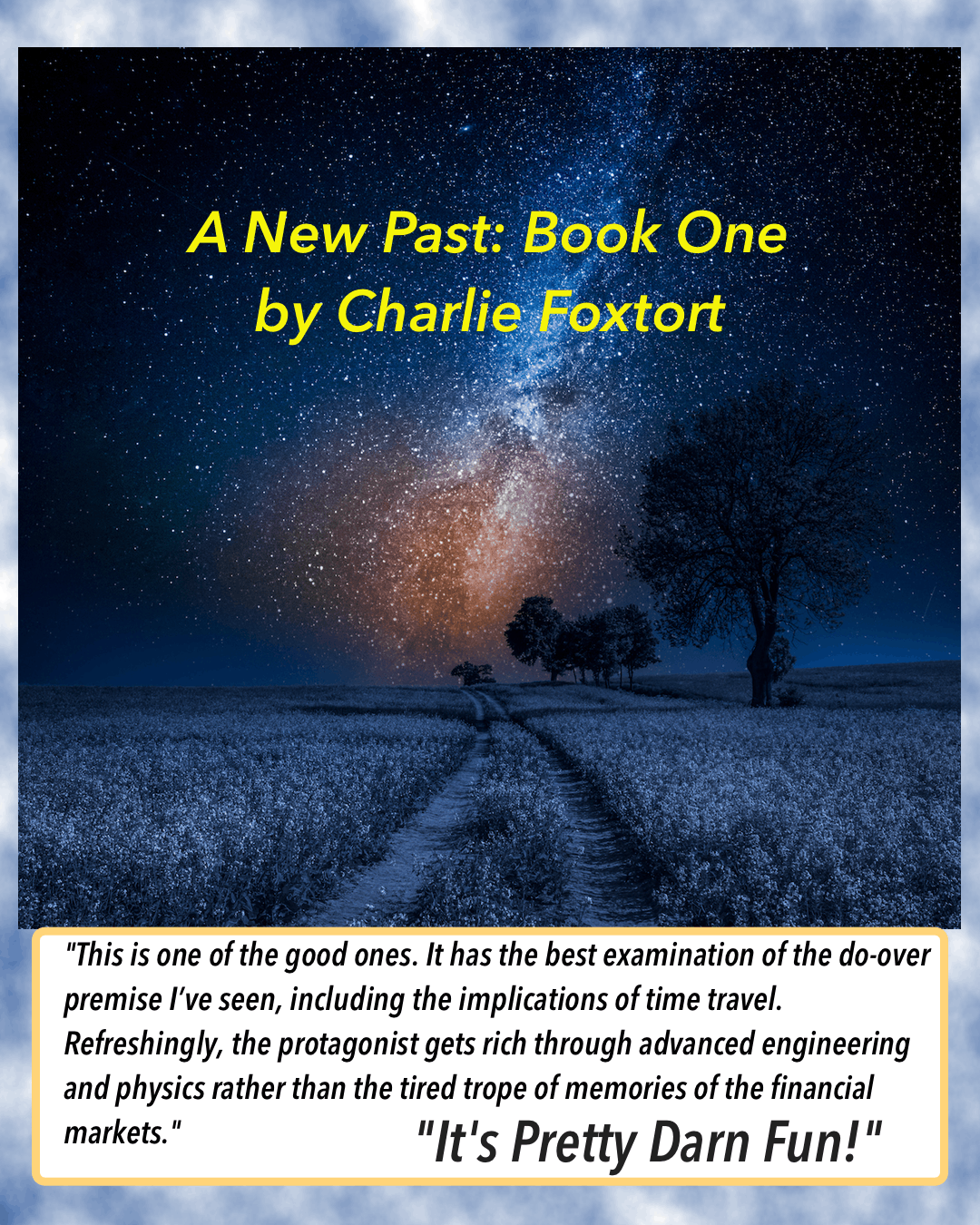
A New Past: Book One – Limited Time 33% Discount Special

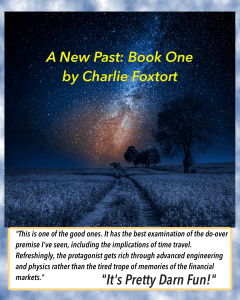
To celebrate getting A New Past into many more channels for readers, I’m running a special on A New Past: Book One until August 27th. This 33% discount is available in US, Canada, UK, Australia, New Zealand, and the EU.

Direct URL: https://books2read.com/u/b5gyKO

Available on: Smashwords, Barnes & Noble, Rakuten kobo, Tolino, vivlio, Gardners, and fable.


What Readers Say:

I have a Thing for do-over stories—where the protagonist finds themself returned to an earlier point in their life. A chance to do things over, hopefully better this time. The appeal may be a reflection of my middle-age, but I still roll with it. My point being, I’ve read a lot of them.

This is one of the good ones. In particular, it has the best examination of the science-fictional aspects of a do-over premise I’ve seen, including its implications of time travel. Refreshingly, the protagonist gets rich through advanced engineering and physics rather than the tired trope of memories of the financial markets. I like that. I also like that it’s pretty darn fun.

All of the above makes this a plot-driven story, but one that drives towards a character-based dilemma in a really effective way. Best of all, it NAILS the ending so, so well—way better than most such stories.

Highly recommended.


Follow me on AmazonGoodReads, or Facebook to get information about upcoming book releases.
Expand Your Reach with Alternative Marketing Channels

One element of growing marketshare that was not included in my prior post is to add additional channels. Marketing Erotica is difficult with several mainstream platforms limiting what advertising you can perform on their platforms. Adding alternative channels and platforms should help you expand your reach. With that in mind, I decided to add all of my works currently available on Amazon to Smashwords and other platforms.

Smashwords specifically allows stronger marketing for erotic content than Amazon. To test out the marketing capabilities, I’m offering a 50% discount on Cosimo until the end of September. Check it out at:


Direct URL: https://www.smashwords.com/books/view/1597862

Available on: Smashwords

Coupon Code: JUU9T (for a 50% discount)


Direct URL: https://books2read.com/u/b5gyKO

Available on: Smashwords, Barnes & Noble, Rakuten kobo, Tolino, vivlio, Gardners, and fable.


Direct URL: https://books2read.com/u/38AaqV

Available on: Smashwords, Barnes & Noble, Rakuten kobo, Tolino, vivlio, Gardners, and fable.


Direct URL: https://books2read.com/u/bp9vk6

Available on: Smashwords, Barnes & Noble, Rakuten kobo, Tolino, vivlio, Gardners, and fable.


Follow me on AmazonGoodReads, or Facebook to get information about upcoming book releases.

Effective Strategies for Promoting Erotic Content as a Self-Published Author

It’s important to understand that self-published authors often face unique challenges when it comes to accessing distribution channels and promoting their work. Many online retailers like Amazon have restrictions on adult content, making it difficult for self-published erotica authors to reach potential readers directly. You may need to rely more heavily on social media or niche communities to promote your work until you establish a larger audience base. Here are a few ideas to help overcome this challenge:

  • Utilize social media platforms: Create accounts on popular social media platforms like Instagram, Twitter, Facebook, and Tumblr. Share snippets of your stories and engage with users who show interest in erotic content.
  • Join online communities: Look for niche groups or forums related to erotica, romance, or adult fiction. Participate actively in discussions and promote your work within the community.
  • Offer free samples: Provide a sample chapter or short story from one of your books as a giveaway on your website or social media pages. This will encourage potential readers to explore more of your work.
  • Collaborate with other authors: Team up with authors in similar genres and organize joint promotions, such as cross-promoting each other’s books or hosting mutual giveaways.
  • Organize events: Host virtual book signings, Q&A sessions, or readings on platforms like YouTube or Twitch. This not only helps you connect with your audience but also creates buzz around your work.

These approaches feel generic and are easy to say, but may be difficult to translate into real action. One of the biggest challenges faced by self-published erotic authors is overcoming stigma and negative perceptions associated with the genre. Many online platforms and advertising channels have restrictions on promoting adult content, making it difficult for authors to reach potential readers directly. Additionally, some readers may be hesitant to explore new erotica due to concerns about quality or exploitative themes.

The key is to approach them strategically and consistently over time. For example, instead of just sharing snippets on social media, you could create a theme or series around your erotic story, posting daily quotes or teasers leading up to the release date. When engaging with communities, try to find subreddits or discussion forums that have a higher concentration of potential readers who may be interested in your genre. Collaborate with authors whose work aligns well with yours and consider offering discounts or bundling your books together for promotions. Finally, when hosting events, make sure they’re engaging and interactive so attendees feel connected to you as an author and excited about your upcoming releases.

One successful marketing campaign for erotica was when E.L. James, author of “Fifty Shades of Grey,” utilized social media platforms like Twitter and Facebook to build her audience before self-publishing her book. She engaged with fans through regular updates on her writing progress and shared snippets from the story, which generated massive buzz around the book prior to its release.

Another example is how author Tiffany Reisz teamed up with fellow authors in a virtual “erotic romance fair” where they showcased their books, hosted giveaways, and answered questions about their writing process. This event not only helped them reach new readers but also created an online community where fans could interact and share recommendations for similar stories.

For growing your audience without spending money, consider hosting contests or giveaways where readers can win free copies of your books or merchandise related to them. You could also collaborate with other authors in your genre to cross-promote each other’s work and share audiences. Lastly, make sure you consistently produce high-quality content that resonates with your target audience – this will help establish trust and loyalty among readers over time.


Follow me on AmazonGoodReads, or Facebook to get information about upcoming book releases.
Writing Exercise 2: Character Traits & Quirks

This is part of my writing exercises workbook, available to subscribers.

As writers, we often spend countless hours crafting our characters – their personalities, backstories, and unique traits. But what if you could jumpstart this process by focusing on specific aspects of your character’s personality? Enter targeted character profiles: a fun and effective way to bring your characters to life through a series of focused questions.

To begin, choose one or two key traits that define your character (e.g., intelligent, brave, sarcastic). Then, create a list of probing questions related to those qualities. For example:

– How does this trait manifest in their daily life?
– What experiences have shaped their perspective on this aspect of themselves?
– In what situations might they struggle due to this trait?
– Conversely, in what ways does it benefit them?

By answering these questions thoughtfully, you’ll gain deeper insights into your character’s motivations, fears, and overall complexity. This will not only help you develop richer stories but also make it easier to maintain consistency throughout your writing.

Additionally, you can add depth and interest to the character as well by incorporating quirky traits into your character profiles – these eccentricities can add depth, humor, or intrigue to a character’s personality. Here are some ideas for quirky traits you might consider:

– A habitual knocker (always taps their foot in rhythm)
– A collector of unusual objects (such as pencils from every country)
– An individual with a specific phobia (e.g., fear of clowns)
– Someone who speaks in metaphors or riddles
– A character that always wears one particular item of clothing (like a red scarf)

To make these traits and quirks effective, you should consider how they impact the character’s life as well as how others view or respond to these attributes.  Let’s look a a quick example.

Our character is chronically late.  This creates the impression that they are disorganized, that the person or event they are coming to are not important, or that they are a poor planner.  Combine this with a quirk of always having an excuse or reason for being tardy and you can easily paint a memorable character sketch quickly.

Steam from the train billowed across the platform as the sharp hiss of the airbrakes stopped the carriages.  Caroline looked at her watch once more even as she spotted a waving arm on at the entrance to the platform.  

“Kevin,” she said in a scolding tone as he rushed up to her with his satchel in hand and coat flapping around him.  “Why must you always cut things so close? If you missed this train….”

“I know.  I know.  But it wasn’t my fault,” he said breathlessly.  

Caroline knew he always had an excuse.  She was tired of them.  Maybe she was tired of Kevin and the chaos he seemed to bring swirling around him.

With just a few sentences, we have framed Kevin as always being late and having an excuse and hinted at the impacts it has on his life and relationships.  

Remember, quirky traits should be genuine to the character’s personality and serve as an interesting detail rather than overshadowing their core qualities. By incorporating these unique aspects into your characters, you’ll add depth and intrigue to your writing – making for more memorable stories and compelling protagonists.


Follow me on AmazonGoodReads, or Facebook to get information about upcoming book releases.

Genre Exploration: Navigating Fiction and Non-Fiction Worlds of Literature

As a reader, you know how important it is to find the perfect book that aligns with your interests and preferences. Genre can play a significant role in this process, as each one offers its own unique set of characteristics and themes.

In this blog post, I will delve into various fiction and non-fiction genres, providing an overview of their key features and notable examples to help you navigate the vast world of literature. Whether you’re a seasoned reader or just starting out on your literary journey, this guide is designed to enrich your understanding of different types of books and inspire you to explore new genres. Additionally, it sets the stage for mixing and matching genres to help you generate ideas for your own stories.


Fiction Genres:

1. Action & Adventure: The main characters are usually heroic figures who face dangerous situations and physical challenges, often involving conflict and high stakes. Examples include thrillers, spy novels, and adventure stories. Sub-genres include:
– Thriller: Suspenseful stories involving crime, espionage, or political intrigue. Examples include The Girl with the Dragon Tattoo by Stieg Larsson and Red Sparrow by Jason Matthews.
– Spy Novel: Narratives focused on secret agents, spies, and international espionage. Notable examples include Casino Royale by Ian Fleming and The Bourne Identity by Robert Ludlum.
– Adventure Story: Stories that involve physical challenges, survival, exploration, or daring rescues. Popular examples include Journey to the Center of the Earth by Jules Verne and The Lost World by Arthur Conan Doyle.


2. Fantasy: These stories involve magic, supernatural elements, mythical creatures, or settings that do not exist in the real world. They often involve quests, battles against evil forces, and characters with special powers. Sub-genres include:
– High Fantasy: Epic tales set in fictional universes with complex magical systems and mythologies. Examples include The Lord of the Rings by J.R.R. Tolkien and A Song of Ice and Fire series by George R.R. Martin.
– Urban Fantasy: Stories set in contemporary urban environments, often involving supernatural creatures living among humans without their knowledge. Noteworthy examples include The Dresden Files by Jim Butcher and Buffy the Vampire Slayer by Joss Whedon.
– Paranormal Romance: Romantic stories that incorporate elements of the supernatural or paranormal, such as vampires, werewolves, or ghosts. Examples include Twilight series by Stephenie Meyer and A Discovery of Witches by Deborah Harkness.


3. Historical Fiction: These stories are set in a historical period or context and attempt to accurately portray the culture, society, and events of that time. They may involve fictional characters interacting with real historical figures and events. Sub-genres include:
– Historical Romance: Stories focused on love and romantic relationships within the context of a specific historical era. Notable examples include Outlander series by Diana Gabaldon and Pride and Prejudice by Jane Austen.
– Alternate History: Narratives that explore what might have happened if certain historical events had played out differently. Examples include The Man in the High Castle by Philip K. Dick and 1632 by Eric Flint.
– Historical Mystery: Stories set during a specific period, often featuring detectives or investigators solving crimes. Well-known examples include Agatha Christie’s Hercule Poirot series and The Alienist by Caleb Carr.


4. Horror: These stories aim to frighten or unsettle readers with elements such as monsters, supernatural forces, or psychological terror. They often explore themes of fear, suspense, and the darkness lurking within human nature. Sub-genres include:
– Gothic Horror: Stories that explore fear, suspense, and the darker aspects of human nature within a gothic setting. Examples include Dracula by Bram Stoker and The Turn of the Screw by Henry James.
– Psychological Horror: Frightening narratives that emphasize mental instability, paranoia, and psychological torment. Popular examples include The Shining by Stephen King and Rosemary’s Baby by Ira Levin.
– Cosmic Horror: Tales involving the insignificance of humanity in the face of an indifferent or hostile universe. Notable examples include H.P. Lovecraft’s Cthulhu Mythos stories and The Call of Cthulhu.


5. Romance: These stories focus on relationships between characters, usually with a strong emotional connection and a happy ending. Common tropes include love triangles, misunderstandings, and overcoming obstacles to achieve true love. Sub-genres include:
– Contemporary Romance: Stories set in the present day that explore love and relationships within contemporary society. Examples include One Day by David Nicholls and Eleanor & Park by Rainbow Rowell.
– Historical Romance: See above for more information on this sub-genre.
– Paranormal Romance: See above for more information on this sub-genre.
– Young Adult Romance: Narratives focused on teenage or young adult characters as they navigate the complexities of first love and relationships. Popular examples include The Fault in Our Stars by John Green and To All the Boys I’ve Loved Before series by Jenny Han.


6. Science Fiction: These stories are set in the future or involve technological advancements that do not currently exist. They often explore social, political, and ethical issues related to technology and its impact on society. Sub-genres include:
– Hard Science Fiction: Narratives emphasizing scientific accuracy and realism, often exploring complex scientific concepts or theories. Examples include The Martian by Andy Weir and 2001: A Space Odyssey by Arthur C. Clarke.
– Soft Science Fiction: Stories that focus on the sociological, psychological, or philosophical aspects of future societies rather than hard science. Notable examples include Brave New World by Aldous Huxley and Fahrenheit 451 by Ray Bradbury.
– Space Opera: Large-scale adventures set in space, often featuring interstellar travel, alien civilizations, and epic battles between good and evil. Examples include Star Wars series by George Lucas and Dune by Frank Herbert.


Non-Fiction Genres:

7. Autobiography & Memoir: These books recount the life story of an individual, either in full or a specific part of their life. They offer personal insights into the author’s experiences, thoughts, and feelings. Examples include Angela’s Ashes by Frank McCourt and Wild by Cheryl Strayed.

8. Biography & History: These books provide detailed accounts of the lives of notable individuals from history or contemporary society. They may focus on their achievements, struggles, or personalities. Examples include Steve Jobs by Walter Isaacson and The Autobiography of Malcolm X.

9. Essay: These are short pieces of non-fiction writing that express the author’s opinion or observations about a specific topic. They may be serious, humorous, analytical, or anecdotal in nature. Examples include “Shooting an Elephant” by George Orwell and The Road Not Taken by Robert Frost.

10. Self-Help: These books aim to guide readers towards personal improvement or self-actualization. They often provide practical advice, strategies, and techniques for dealing with various life challenges. Examples include Think and Grow Rich by Napoleon Hill and The 7 Habits of Highly Effective People by Stephen Covey.

11. Travel Writing: These books describe the author’s experiences while traveling to different places around the world. They often focus on cultural immersion, adventure, and personal growth through travel. Examples include Into Thin Air by Jon Krakauer and On the Road by Jack Kerouac.


Mixing and Matching

With a grasp of the various genres and sub-genres, you can mix and match to jump-start new ideas for your own stories. Here are a few examples to consider.

1. Historical Romance Fantasy: Set in a historical period with elements of fantasy and romance, this genre could involve love stories between characters from different worlds or realms, perhaps involving magical obstacles to overcome. Examples might include the relationship between a human knight and an elf princess set during the Crusades or a spy falling for a witch in 1920s New York City.

2. Contemporary Science Fiction Romance: This sub-genre combines contemporary romance with elements of science fiction, potentially exploring themes of technology, artificial intelligence, and the impact of these advancements on relationships. Examples could include a love story between a human and an AI assistant or two scientists navigating their feelings for each other while working on cutting-edge research projects.

3. Gothic Horror Mystery: This genre mixes elements of gothic horror, mystery, and suspense, often set in isolated locations with supernatural or psychological terror. Examples might include a detective investigating a series of unexplained murders at an old mansion haunted by its former occupants’ ghosts or a psychologist trying to help patients overcome their fears while experiencing paranormal phenomena themselves.

4. Historical Fantasy Mystery: This genre combines historical fiction, fantasy, and mystery, often featuring detectives solving crimes in magical or supernatural settings. Examples could include Sherlock Holmes investigating a series of grisly murders at an enchanted castle during the Victorian era or a secret society of wizards and warlocks working to uncover a conspiracy hidden within the Roman Empire’s political intrigue.

5. Paranormal Science Fiction Romance: This sub-genre merges elements of paranormal romance, science fiction, and fantasy, potentially exploring themes of love, loyalty, and sacrifice amidst alien invasions or intergalactic battles for survival. Examples could include a space pilot falling for an extraterrestrial princess or a human scientist developing feelings for a shapeshifter while working together to protect their planet from hostile forces.


Follow me on AmazonGoodReads, or Facebook to get information about upcoming book releases.